
Table of Contents
ToggleIntroduction
Let’s be honest: seeing the Taj Mahal Agra for the first time hits different. You’ve seen it on postcards and Instagram a thousand times, but standing in front of that massive white marble dome is a whole other vibe. It’s not just a monument; it’s a mood.
If you’re planning a trip to Agra, you probably have a dozen tabs open. What’s the actual Taj Mahal Timing? How much are the Taj Mahal Entry Fees this year? Don’t worry. This Taj Mahal Travel Guide is the only resource you’ll need to navigate the crowds and catch that perfect sunrise shot without the stress.
Taj Mahal History
The Taj Mahal history begins in the 17th century when Mughal emperor Shah Jahan decided to build a magnificent monument in memory of his beloved wife Mumtaz Mahal. After her death in 1631, the emperor wanted to create a symbol of eternal love that would remain timeless for generations.
Key Highlights of Taj Mahal History
- Construction of the Taj Mahal started in 1632.
- More than 20,000 artisans and craftsmen worked on the monument.
- The project took around 22 years to complete.
- White marble was brought from Makrana.
- The monument is located in Agra on the banks of the Yamuna River.
These historical details explain why the Taj Mahal is considered one of the greatest architectural achievements in the world. Today, it also holds the status of a UNESCO World Heritage Site and continues to attract millions of visitors every year.
Taj Mahal Location
The Taj Mahal location makes it easily accessible for travelers visiting North India. The monument sits on the banks of the Yamuna River in the historic city of Agra.
Here are the key details about the Taj Mahal location:
- City: Agra
- State: Uttar Pradesh
- Country: India
- River: Yamuna River
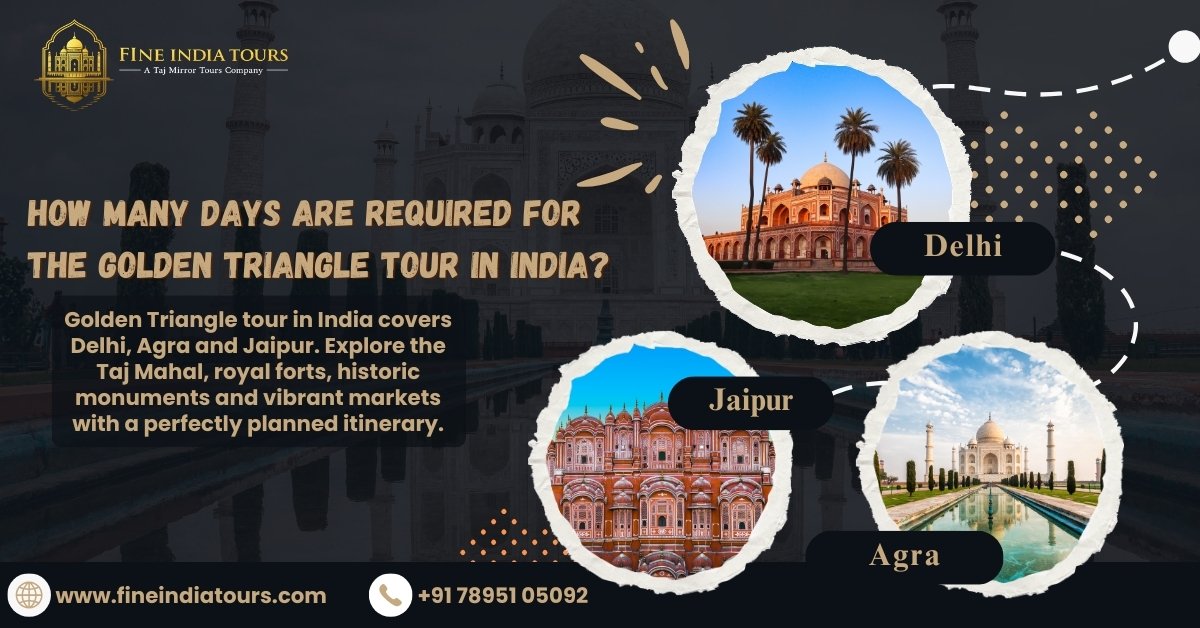
Additionally, Agra forms part of the famous Golden Triangle tourist circuit, which connects Delhi, Agra, and Jaipur.
Thanks to this strategic location, tourists can easily include the Taj Mahal in their North India travel itinerary.
Taj Mahal Timing
Knowing the Taj Mahal timing helps travelers plan their visit smoothly. The monument opens daily except on Fridays.
- Regular Taj Mahal Timing
- Opening Time: Sunrise
- Closing Time: Sunset
- Closed On: Friday (for prayers)
Visitors usually spend 2–3 hours exploring the monument, gardens, and surrounding areas.
Night Viewing
Interestingly, night viewing of the Taj Mahal is also available on selected days during the full moon period. During this time, visitors can see the marble structure glowing beautifully under moonlight.
Because of this magical atmosphere, night viewing remains one of the most memorable experiences in Agra.
Budgeting for Your Trip: Taj Mahal Entry Fees
The Taj Mahal Entry Fees vary depending on your nationality. Please note that prices are subject to change, so it is always wise to check the official Archaeological Survey of India (ASI) website before your visit.
| Category | Entry Fee (Approx.) | Additional Fee for Main Mausoleum |
| Indian Citizens | ₹50 | ₹200 |
| SAARC/BIMSTEC Visitors | ₹540 | ₹200 |
| Foreign Tourists | ₹1,100 | ₹200 |
| Children (Below 15) | Free | Free |
Note: If you want to go inside the actual dome where the cenotaphs are, you MUST pay that extra ₹200. Otherwise, you’re stuck in the gardens.
Best Time to Visit Taj Mahal
Although the Taj Mahal remains open throughout the year, some months provide a better experience for visitors.
Best Months
October to March offers the most pleasant weather in Agra. During this time, the temperature stays comfortable and sightseeing becomes easier.
Sunrise Visit
Many travelers prefer visiting the Taj Mahal at sunrise because:
- The crowd stays smaller
- The weather feels cooler
- The marble glows softly in morning light
Winter Season
Winter months provide excellent photography opportunities. However, early morning fog sometimes appears, so arriving slightly later can help.
How to Reach Taj Mahal Agra
Reaching Taj Mahal Agra is quite convenient because Agra connects well with major Indian cities.
By Air
The nearest airport is Agra Airport. However, most international travelers arrive through Indira Gandhi International Airport and then travel to Agra.
By Train
Agra has several railway stations, including:
- Agra Cantt Railway Station
- Agra Fort Railway Station
Fast trains connect Agra with Delhi, Jaipur, and other cities.
By Road
Agra connects to Delhi through the modern Yamuna Expressway. Travelers can reach Agra from Delhi in around 3–4 hours.
Taj Mahal Travel Guide (Tips for Tourists)
A practical Taj Mahal travel guide helps visitors enjoy the monument without stress.
Here are some useful tips:
1. Arrive Early
Arriving early allows you to explore the monument peacefully before the crowds increase.
2. Carry Light Items
Security checks remain strict at the entrance. Therefore, avoid carrying large bags.
3. Hire a Local Guide
A professional guide can explain the fascinating Taj Mahal history and architectural details.
4. Wear Comfortable Shoes
Visitors walk quite a lot while exploring the gardens and complex.
5. Respect Monument Rules
The Taj Mahal is a heritage site, so tourists must maintain cleanliness and follow all rules.
Interesting Facts About Taj Mahal
The Taj Mahal hides many fascinating details that make it even more impressive.
- The monument took 22 years to complete.
- Over 20,000 workers contributed to its construction.
- The marble changes colour depending on sunlight.
- The Taj Mahal appears pink at sunrise and golden at sunset.
- Optical illusions make the monument look closer or farther depending on the entrance.
Because of these unique features, the Taj Mahal continues to amaze historians and travelers alike.
Nearby Attractions in Agra
While visiting the Taj Mahal, tourists should also explore other famous places in Agra.
1. Taj Mahal
This world-famous monument remains the highlight of every Agra trip and offers unforgettable views.
2. Agra Fort
This massive Mughal fort served as the main residence of emperors. Its red sandstone walls and palaces showcase Mughal architecture beautifully.
3. Mehtab Bagh
Located across the Yamuna River, Mehtab Bagh provides one of the best sunset views of the Taj Mahal.
Exploring these attractions helps visitors understand the rich Mughal heritage of Agra.
Conclusion
The Taj Mahal remains one of the most extraordinary monuments ever created. Its romantic history, stunning architecture, and peaceful gardens make it a must-visit destination for travelers around the world.
Whether you admire the monument at sunrise, learn about its fascinating past, or capture beautiful photographs, the Taj Mahal always leaves a lasting impression.
By understanding Taj Mahal history, Taj Mahal timing, Taj Mahal entry fees, Taj Mahal location, and travel tips, visitors can plan a smooth and memorable trip to this iconic landmark.
If you are planning a journey to North India, the Taj Mahal in Agra definitely deserves a top place on your travel list.
FAQ About Taj Mahal
1. What is the Taj Mahal famous for?
The Taj Mahal is famous for its white marble architecture and the love story of Emperor Shah Jahan and Mumtaz Mahal.
2. Is the Taj Mahal open on Fridays?
No, the Taj Mahal is closed to the general public every Friday. It is only accessible to those attending the afternoon prayers at the mosque.
3. Do I need to buy a separate ticket for the main mausoleum?
Yes. While the basic ticket gets you into the gardens and the complex, you need an additional ₹200 ticket to enter the inner chamber where the cenotaphs are located.
4. What is the Taj Mahal entry fee for foreign tourists?
Foreign visitors generally pay around ₹1100, while Indian citizens pay around ₹50.
5. Which is the best time to visit the Taj Mahal?
The best time to visit the Taj Mahal is between October and March when the weather remains pleasant.
Follow Fine India Tours On Facebook