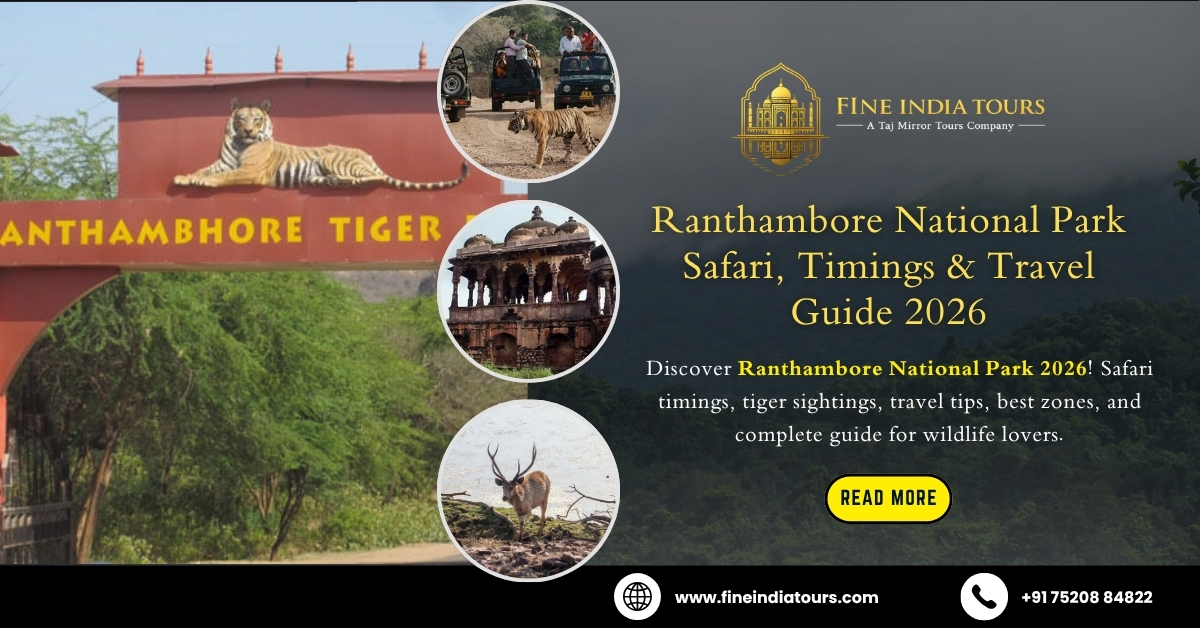
Nestled in the rugged landscapes of Rajasthan, Ranthambore National Park is one of India’s most celebrated wildlife destinations. Known for its thriving population of Bengal tigers, ancient ruins, scenic lakes, and diverse ecosystem, the park attracts nature enthusiasts, wildlife photographers, and adventure seekers from around the world.
A visit to this renowned tiger reserve offers much more than just wildlife spotting. From thrilling jungle safaris and breathtaking landscapes to historical monuments hidden within the forest, every corner of the park tells a fascinating story. Whether you are planning your first wildlife adventure or returning for another safari experience, this comprehensive travel guide will help you make the most of your journey.
For travelers seeking a well-organized wildlife tour, Fine India Tours offers customized Rajasthan travel experiences that can include Ranthambore along with other iconic destinations across the state.
About Ranthambore National Park
Located in the Sawai Madhopur district of Rajasthan, Ranthambore National Park is one of the largest and most famous wildlife reserves in northern India. Spread across approximately 1,334 square kilometers, including the core and buffer zones, the park is part of the larger Ranthambore Tiger Reserve.
The landscape is a unique blend of dry deciduous forests, rocky hills, grasslands, and picturesque lakes. This diverse terrain creates an ideal habitat for a wide variety of wildlife species.
The park gained international recognition through successful tiger conservation efforts under India’s Project Tiger initiative. Today, it is regarded as one of the best places in India to observe Bengal tigers in their natural habitat.
History of Ranthambore National Park
The history of the region is deeply connected with Rajasthan’s royal heritage. Before becoming a protected wildlife reserve, the forests surrounding Ranthambore served as the hunting grounds of the Maharajas of Jaipur.
In 1955, the area was declared a wildlife sanctuary. Later, in 1973, it became one of the first reserves included under Project Tiger. In 1980, it was officially designated as a national parks.
Today, the park stands as a remarkable example of wildlife conservation, attracting thousands of visitors annually while preserving one of India’s most important tiger habitats.
Why Ranthambore is Famous Worldwide
There are many wildlife parks in India, but few enjoy the global reputation of Ranthambore National Park.
Key Reasons for Its Popularity
- High chances of tiger sightings
- Rich biodiversity
- Historic Ranthambore Fort
- Scenic safari routes
- Excellent wildlife photography opportunities
- Well-managed tourism infrastructure
Unlike dense forests where animals are difficult to spot, Ranthambore’s relatively open terrain often provides better visibility, making wildlife encounters more memorable.
Wildlife Found in Ranthambore
Although tigers are the main attraction, the park supports an impressive variety of wildlife species.
Mammals
Visitors may encounter:
- Bengal Tiger
- Indian Leopard
- Sloth Bear
- Striped Hyena
- Sambar Deer
- Chital (Spotted Deer)
- Nilgai
- Wild Boar
- Jackal
- Langur
Bird Species
The reserve is also a paradise for bird watchers.
Popular birds include:
- Crested Serpent Eagle
- Painted Stork
- Kingfisher
- Indian Peafowl
- Owl Species
- Parakeets
- Herons
Reptiles
The lakes and wetlands support:
- Marsh Crocodiles
- Monitor Lizards
- Snakes
- Turtles
This incredible biodiversity makes the park appealing even for visitors who may not be focused solely on tiger sightings.
Ranthambore Safari Experience
The highlight of any trip is undoubtedly the wildlife safari.
The park is divided into several safari zones, each offering unique landscapes and wildlife viewing opportunities.
Types of Safaris
Jeep Safari
The six-seater jeep safari provides a more intimate wildlife experience.
Benefits include:
- Better maneuverability
- Ideal for photographers
- Smaller groups
- Flexible viewing angles
Canter Safari
The canter safari accommodates larger groups.
Advantages include:
- Cost-effective
- Suitable for families
- Good for group travelers
Both safari options are managed according to park regulations and allocated through the official booking system.
Safari Zones in Ranthambore
The reserve consists of multiple safari zones.
Some of the most popular zones include:
Zone 1
Known for:
- Tiger movement
- Water bodies
- Scenic landscapes
Zone 2
Popular among wildlife photographers due to frequent predator sightings.
Zone 3
Features:
- Padam Talao
- Jogi Mahal surroundings
- Rich birdlife
Zone 4 and 5
Offer a mix of wildlife viewing and beautiful forest scenery.
Zone 6 to 10
These zones provide excellent safari experiences with comparatively lower tourist density.
Each zone offers a different experience, making multiple safaris worthwhile.
Ranthambore National Park Timings 2026
Safari timings vary according to season and daylight hours.
Morning Safari
- Approximately 6:00 AM to 9:30 AM
Afternoon Safari
- Approximately 2:30 PM to 6:00 PM
Exact timings may change depending on the season and official park guidelines.
Visitors are advised to arrive well before departure time to complete entry formalities smoothly.
Best Time to Visit
The park remains open for most of the year except during the monsoon closure period of certain core zones.
October to February
Ideal for:
- Pleasant weather
- Bird watching
- Comfortable safaris
March to June
Best for:
- Tiger sightings
- Wildlife photography
- Waterhole activity
During summer, animals frequently visit water sources, increasing the chances of memorable sightings.
Many experienced wildlife enthusiasts specifically choose late spring and early summer for safari tours.
How to Reach Ranthambore
Reaching the park is convenient from major cities in Rajasthan and northern India.
By Air
Nearest airport:
- Jaipur International Airport
Distance: approximately 180 km
By Train
Nearest railway station:
- Sawai Madhopur Junction
This station has excellent connectivity with:
- Delhi
- Jaipur
- Mumbai
- Agra
By Road
Well-connected highways make driving convenient from:
- Jaipur
- Delhi
- Agra
- Udaipur
Travel companies such as Fine India Tours often arrange comfortable transportation as part of customized wildlife itineraries.
Ranthambore Fort: A Historic Treasure
Inside the reserve lies the magnificent Ranthambore Fort, a UNESCO World Heritage Site.
Perched atop a hill, the fort offers spectacular views of the surrounding forest.
Highlights include:
- Ancient temples
- Historic gateways
- Panoramic viewpoints
- Cultural significance
The fort beautifully combines wildlife tourism with Rajasthan’s rich historical heritage.
Photography Opportunities
Wildlife photographers consider this destination one of India’s finest locations for capturing natural behavior.
Popular Subjects
- Tigers near water bodies
- Leopards in rocky terrain
- Deer herds
- Exotic birds
- Sunrise landscapes
- Ancient ruins
For photography enthusiasts, carrying appropriate lenses and maintaining patience can lead to extraordinary results.
Travel Tips for First-Time Visitors
Planning ahead can significantly enhance your experience.
Helpful Tips
- Book safaris well in advance
- Carry valid identification
- Wear neutral-colored clothing
- Avoid loud conversations during safaris
- Carry binoculars
- Follow guide instructions
- Keep cameras ready
Wildlife sightings can happen unexpectedly, so being prepared is essential.
Where to Stay Near the Park
Accommodation options are available for every budget.
Luxury Resorts
Ideal for:
- Wildlife enthusiasts
- Couples
- International travelers
Mid-Range Hotels
Offer comfortable facilities with good accessibility.
Budget Hotels
Suitable for solo travelers and backpackers.
Many visitors prefer complete wildlife packages through Fine India Tours, which combine accommodation, transportation, and safari arrangements into one seamless experience.
Why Choose Fine India Tours?
Planning a wildlife vacation requires careful coordination, especially when safari permits and accommodations are involved.
Fine India Tours helps travelers create personalized Rajasthan itineraries that combine wildlife, heritage, and cultural experiences.
Benefits Include
- Customized travel planning
- Professional assistance
- Comfortable transportation
- Wildlife-focused itineraries
- Multi-destination Rajasthan tours
- Local travel expertise
Their approach focuses on creating smooth and memorable travel experiences while helping visitors explore Rajasthan beyond the typical tourist trail.
Nearby Attractions to Explore
A trip to the region can be combined with several other fascinating destinations.
Popular nearby attractions include:
- Ranthambore Fort
- Surwal Lake
- Trinetra Ganesh Temple
- Kachida Valley
These attractions add historical, cultural, and scenic value to your wildlife adventure.
Why This Destination Should Be on Your Travel List
Few places in India offer the combination of wildlife, history, photography, and natural beauty found here.
Visitors can enjoy:
- Exciting tiger safaris
- Rich biodiversity
- Historic architecture
- Scenic landscapes
- Memorable photography opportunities
Whether you are traveling with family, friends, or as a solo explorer, the experience remains truly unforgettable.
Conclusion
Ranthambore National Park continues to be one of India’s most sought-after wildlife destinations. Its thriving tiger population, diverse ecosystem, beautiful landscapes, and historic monuments create an experience that appeals to travelers of every kind.
From thrilling safari adventures and birdwatching opportunities to exploring ancient forts and enjoying Rajasthan’s natural beauty, every visit offers something unique. With careful planning and support from experienced travel specialists like Fine India Tours, you can enjoy a seamless and rewarding journey into one of India’s most remarkable wilderness areas.
FAQs
Q.1 What is the best time to visit Ranthambore National Park?
October to March offers pleasant weather, while March to June generally provides better tiger sighting opportunities.
Q.2 How many safari zones are there in Ranthambore?
The reserve consists of multiple safari zones, each offering different wildlife viewing experiences and landscapes.
Q.3 Is advance safari booking necessary?
Yes, safari permits are limited and should be booked well in advance, especially during peak tourist seasons.
Q.4 Which safari is better, Jeep or Canter?
Jeep safaris are preferred for smaller groups and photography, while canter safaris are more economical for larger groups.
Q.5 How far is Ranthambore from Jaipur?
The park is located approximately 180 kilometers from Jaipur and can be reached by road or train.
Get in Touch
Address: 267, 2nd Floor, Lata Kunj Colony, Shahzadi Mandi, Rakabganj, Agra, Uttar Pradesh 282004, India
Location: https://maps.app.goo.gl/17kNrRAA1nD1xLYw5
Phone Number: +91 78951 05092
Whatsapp Number: +91 75208 84822
Email: info@fineindiatours.com